How Can Companies Monitor ERP Automation Performance?
April 20, 2026 By Yodaplus
Companies monitor ERP automation performance by tracking key metrics, analyzing workflows, and using real time insights to ensure automation delivers real value. Monitoring helps businesses understand whether automation is improving efficiency, reducing errors, and supporting better decision-making.
Why Monitoring Automation Is Important
Automation is not a one time setup. Without proper monitoring, businesses cannot measure its effectiveness or identify areas for improvement.
Many companies assume that once automation is implemented, it will continue to perform optimally. In reality, workflows can degrade over time due to changes in data, processes, or system integrations.
Monitoring ensures that automation aligns with business goals. It helps identify bottlenecks, detect inefficiencies, and maintain consistent performance.
In supply chain automation, monitoring is especially important because processes involve multiple steps and dependencies. Any delay or error in one stage can affect the entire workflow.
Effective monitoring also builds trust in automation by providing visibility into how systems perform.
Key Metrics for ERP Automation Performance
To monitor automation effectively, companies need to track specific metrics that reflect workflow performance.
Cycle time is one of the most important metrics. It measures how long it takes to complete a process from start to finish. A reduction in cycle time indicates improved efficiency.
Error rates are another critical metric. They show how often workflows fail or require manual intervention. High error rates suggest issues with data quality or process design.
Throughput measures the volume of transactions processed within a given time. Higher throughput indicates that automation is handling increased workloads effectively.
Other useful metrics include task completion rates, system uptime, and user adoption levels. These metrics provide a comprehensive view of automation performance.
In procurement automation, tracking metrics such as purchase order processing time and approval delays can highlight inefficiencies.
Role of Dashboards and Analytics
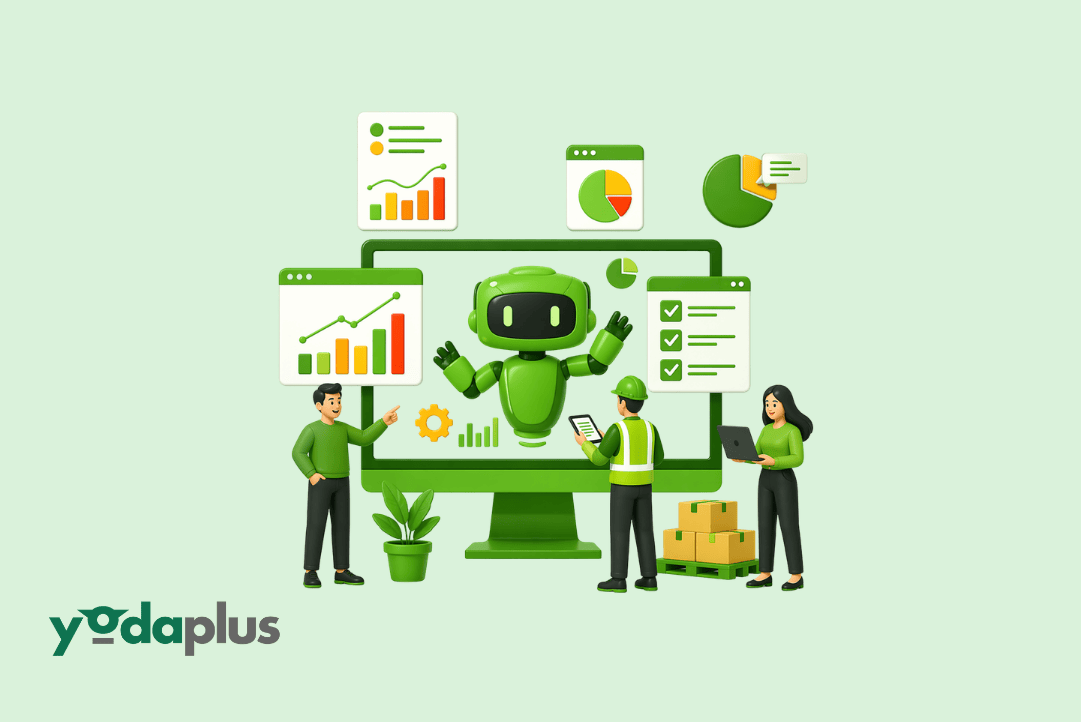
Dashboards play a key role in monitoring ERP automation. They provide a centralized view of performance metrics and enable teams to track workflows in real time.
Modern ERP systems use analytics tools to visualize data and generate insights. This makes it easier to identify trends and patterns.
Dashboards allow managers to monitor multiple processes at once. For example, they can track inventory updates, order processing, and supplier interactions in a single interface.
Analytics also help in comparing performance over time. Businesses can measure improvements and identify areas where automation is not delivering expected results.
Data extraction automation supports these dashboards by ensuring that accurate data is captured and fed into analytics systems. This improves the reliability of insights.
How AI Helps Detect Inefficiencies
AI enhances monitoring by identifying inefficiencies that may not be visible through basic metrics. It analyzes large volumes of data and detects patterns that indicate potential issues.
For example, AI can identify recurring delays in specific workflows and suggest corrective actions. This helps in improving process efficiency.
AI also supports intelligent automation by enabling predictive analysis. It can forecast potential bottlenecks and allow teams to address them proactively.
Another advantage is anomaly detection. AI can flag unusual patterns such as sudden spikes in error rates or unexpected drops in throughput.
In supply chain automation, AI can monitor inventory levels, supplier performance, and logistics processes to ensure smooth operations.
By combining AI with automation, businesses can move from reactive monitoring to proactive optimization.
Continuous Improvement Strategies
Monitoring is only effective when it leads to continuous improvement. Businesses need to use insights from monitoring to refine their workflows.
Start by identifying bottlenecks and addressing root causes. This may involve redesigning processes or improving data quality.
Regular audits of automation workflows help ensure that they remain aligned with business needs. Changes in operations may require updates to automation logic.
Training teams is also important. Employees should understand how to use dashboards and interpret metrics.
Adopting a feedback loop is essential. Insights from monitoring should be used to make incremental improvements over time.
Integrating AI and intelligent automation further enhances continuous improvement by enabling systems to learn and adapt.
Businesses should also focus on scalability. As operations grow, monitoring systems must handle increased data and complexity.
Benefits of Effective Monitoring
Effective monitoring delivers several benefits for ERP automation.
It improves efficiency by identifying and eliminating bottlenecks. This leads to faster workflows and better resource utilization.
Accuracy is enhanced as errors are detected and corrected quickly. This reduces the need for manual intervention.
Visibility across processes allows better coordination between teams. This supports smoother operations and improved decision-making.
Monitoring also helps in achieving better ROI from automation investments. Businesses can measure the impact of automation and optimize performance.
Supply chain automation becomes more reliable when performance is continuously monitored and improved.
Conclusion
Monitoring ERP automation performance is essential for ensuring that automation delivers real value. Without visibility into workflows, businesses cannot identify inefficiencies or improve performance.
By tracking key metrics, using dashboards, and leveraging AI, companies can gain deeper insights into their automation systems. This enables proactive decision-making and continuous improvement.
Yodaplus Agentic AI for Supply Chain& Retail Operations help businesses monitor, optimize, and scale automation across ERP systems. By combining AI, analytics, and domain expertise, Yodaplus enables organizations to achieve high performance and reliable automation.
FAQs
Why is monitoring ERP automation important?
It ensures that automation is delivering expected results and helps identify areas for improvement.
What metrics are used to measure automation performance?
Common metrics include cycle time, error rates, throughput, and task completion rates.
How do dashboards help in monitoring automation?
Dashboards provide real time visibility into workflows and performance metrics.
What role does AI play in monitoring?
AI detects inefficiencies, predicts issues, and enables proactive optimization of workflows.
How can companies improve automation performance?
By analyzing metrics, addressing bottlenecks, and continuously refining workflows.