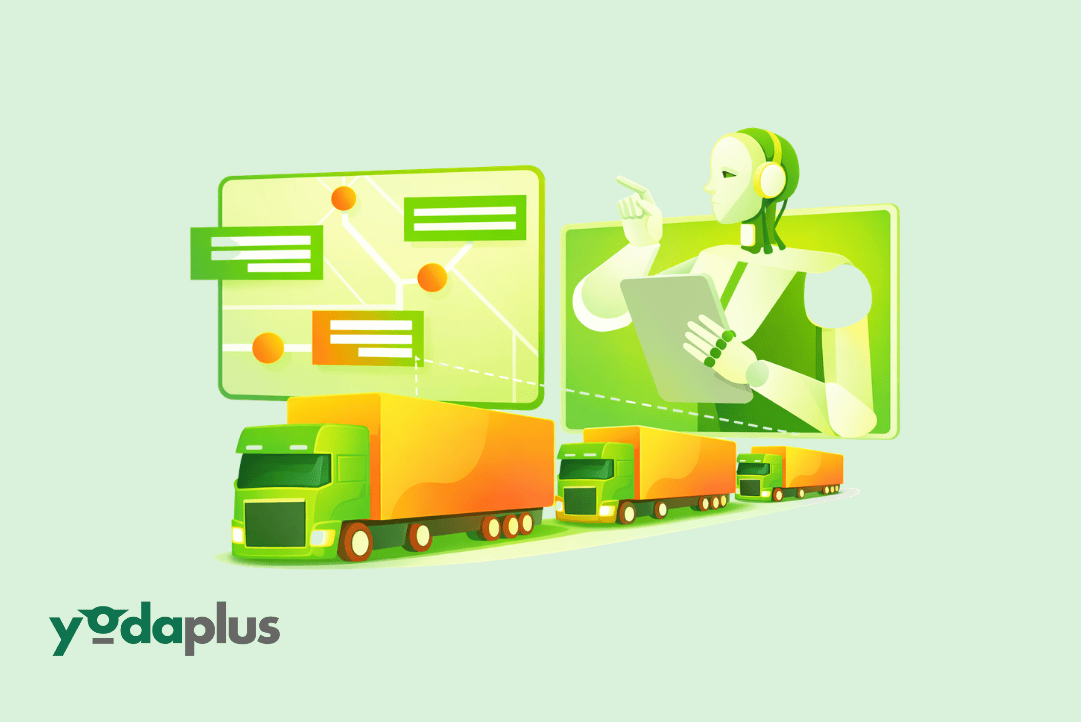
How AI Strengthens Procure to Pay Automation and Supplier Decisions
February 20, 2026 By Yodaplus
Supplier decisions shape cost, quality, and operational continuity. Many organizations now use procure to pay automation and analytics tools to evaluate vendors. But there is a common fear. Will AI replace human judgment in procurement?
The reality is different. AI strengthens decision-making. It does not replace it. When designed correctly, AI works alongside procurement teams, improving visibility, speed, and control across the procure to pay cycle.
Let us explore how this works.
AI Brings Structured Visibility
Supplier evaluation often depends on scattered data. Contracts sit in folders. Delivery reports live in spreadsheets. Finance records remain in accounting systems.
With intelligent document processing, procurement teams can extract data from contracts, compliance documents, and performance records. Data extraction automation ensures vendor information is clean and searchable.
This structured visibility supports better supplier comparisons. It also reduces friction in invoice matching and improves downstream accounts payable automation.
AI does not choose suppliers alone. It presents accurate data so procurement teams can make informed decisions.
AI Connects Sourcing with Demand
Supplier decisions must align with demand patterns. In manufacturing automation, raw material sourcing depends on production schedules. In retail automation, supplier reliability affects product availability.
By integrating AI sales forecasting with procure to pay automation, procurement teams gain predictive insights. They can see demand shifts early and adjust sourcing plans accordingly.
This alignment strengthens both manufacturing process automation and the order to cash cycle. If supply matches forecasted demand, order to cash automation runs smoothly.
AI supports planning. Procurement leaders still decide strategy.
Performance Monitoring Without Bias
Human judgment can sometimes be influenced by past relationships or assumptions. AI introduces data-backed analysis.
Through procurement automation, systems can track delivery times, price variance, compliance gaps, and dispute frequency.
For example, if a vendor repeatedly causes delays that impact GRN validation or create issues in invoice processing automation, the system highlights patterns.
This does not remove the human role. Instead, it equips procurement teams with measurable evidence before renewal or renegotiation decisions.
Cleaner Data Improves Financial Decisions
Supplier decisions affect finance directly. Incorrect pricing or tax entries create disputes in invoice matching software and increase reliance on accounts payable automation software.
With structured purchase order creation and purchase order automation, validation rules check pricing consistency before approval.
Accurate supplier selection reduces pressure on automated invoice matching software and improves the overall procure to pay process automation lifecycle.
AI supports clean data. Humans approve strategic commitments.
Agentic AI Workflows Provide Proactive Signals
Modern agentic AI workflows go beyond static reporting. They monitor supplier risk, budget thresholds, and demand fluctuations in real time.
If a supplier’s delivery performance drops, the system can flag risk early. If projected demand declines, it can suggest adjusting purchase volumes.
These signals support stronger procurement process automation and improve alignment with order to cash process automation.
Procurement leaders still evaluate context, market conditions, and long-term partnerships. AI provides alerts and insights, not final authority.
AI Enhances Retail and Manufacturing Decisions
In retail automation AI, supplier delays can lead to empty shelves and lost sales. AI monitors patterns and supports timely replenishment.
In manufacturing automation, supplier inconsistencies can disrupt production lines. AI-based analysis ensures sourcing decisions align with operational continuity.
By connecting sourcing data with sales forecasting and production schedules, AI strengthens decision confidence.
Judgment remains human. Intelligence becomes augmented.
Why AI Supports, Not Replaces, Procurement Teams
AI in procurement delivers:
-
Structured vendor data through intelligent document processing
-
Predictive alignment with sales forecasting
-
Improved invoice matching accuracy
-
Cleaner GRN validation
-
Stronger integration between procure to pay automation and order to cash automation
-
Reduced operational risk in manufacturing automation and retail automation
AI does not replace negotiation skills, supplier relationship management, or strategic thinking. It strengthens them.
FAQs
1. Does AI replace procurement professionals?
No. AI supports procurement by providing structured insights and performance analysis. Final decisions remain with human teams.
2. How does AI improve supplier evaluation?
AI analyzes delivery records, pricing consistency, and compliance data to provide objective insights.
3. How does AI support procure to pay automation?
AI enhances data validation, demand alignment, and supplier monitoring across the entire procure to pay cycle.
Supplier decisions require context, experience, and negotiation skills. AI adds visibility and speed. Together, they create smarter sourcing outcomes.
At Yodaplus Supply Chain & Retail Workflow Automation, we help enterprises embed intelligent document processing, agentic AI workflows, and structured procure to pay automation into their manufacturing automation and retail automation systems. The result is balanced decision-making where AI supports supplier strategy without replacing human judgment.