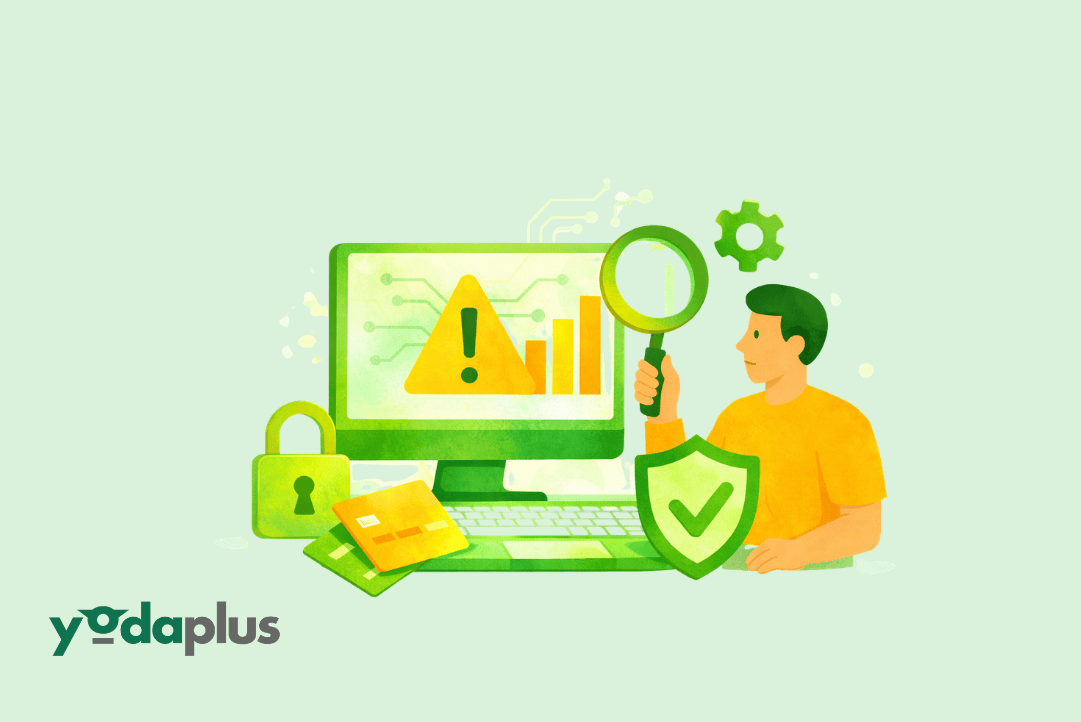
Fraud detection depends on smart decision rules. One of the most important parts of any fraud system is threshold design. In simple terms, a threshold defines the risk level at which action is taken.
In modern banks, banking automation manages these thresholds across millions of transactions. If thresholds are too strict, customers face disruption. If they are too loose, fraud slips through.
Designing the right fraud threshold is critical for financial services automation. It directly affects risk, cost, and customer experience.
What Is a Fraud Threshold?
A fraud threshold is a predefined risk score or rule that triggers action. For example, artificial intelligence in banking may assign a risk score to each transaction. If the score crosses a set limit, banking automation may block the transaction or escalate it.
Thresholds exist in many layers of banking process automation. They may apply to:
-
Transaction value
-
Frequency of transfers
-
Geographic risk
-
Behavioral anomalies
-
Device changes
Artificial intelligence in banking calculates risk dynamically. However, banking automation decides what to do with that score based on thresholds.
Why Threshold Design Matters
Threshold design affects operational efficiency and fraud control.
If banking automation sets a low threshold, more transactions are flagged. This increases alert volume. Workflow automation routes these alerts to analysts. Teams may become overwhelmed.
If the threshold is too high, fewer alerts are generated. Fraud losses may increase.
Financial services automation must balance detection accuracy with operational capacity. Artificial intelligence in banking provides advanced scoring, but financial process automation ensures that responses align with resources.
A well designed threshold improves precision and reduces noise.
Role of Artificial Intelligence in Banking
Artificial intelligence in banking plays a central role in fraud threshold design. AI models analyze historical fraud data and behavioral patterns. They assign probability scores to transactions.
AI improves threshold accuracy by learning from new data. AI driven scoring adapts faster than static rules.
However, artificial intelligence in banking is only one part of the system. Banking automation must interpret model outputs correctly. Financial services automation should adjust thresholds based on changing risk conditions.
AI models may suggest risk probabilities, but human oversight remains important.
Dynamic vs Static Thresholds
Traditional systems used static thresholds. For example, any transaction above a fixed amount would trigger review.
Modern banking automation uses dynamic thresholds. Artificial intelligence in banking evaluates context. A large payment may be normal for one customer but suspicious for another.
Financial services automation can segment customers based on behavior and profile. Workflow automation can apply different review paths depending on risk tier.
Banking process automation supports this flexibility. Financial process automation ensures that each threshold change is logged and monitored.
Dynamic thresholds improve accuracy and reduce unnecessary alerts.
Impact on Workflow Automation
Threshold design directly affects workflow automation.
When a transaction crosses a threshold, workflow automation determines the next step. This may include:
-
Automatic approval
-
Customer verification
-
Analyst review
-
Account freeze
Banking automation should route cases based on risk severity. Financial services automation ensures that low risk alerts do not consume analyst time.
If thresholds are poorly calibrated, workflow automation becomes overloaded. Analysts spend time reviewing safe transactions.
Effective threshold design supports smooth banking process automation and reduces investigation backlog.
Monitoring and Adjustment
Fraud patterns change constantly. Thresholds cannot remain fixed.
Financial services automation platforms should monitor false positive rates, fraud losses, and investigation times. Artificial intelligence in banking should be retrained regularly.
Banking automation must allow flexible threshold updates. Financial process automation ensures that changes are tested before full deployment.
Workflow automation should capture feedback from investigators. If many alerts are marked safe, thresholds may need adjustment.
Continuous monitoring keeps fraud controls effective without harming customer experience.
Balancing Security and Customer Experience
Threshold design influences customer trust.
Strict banking automation may block legitimate transactions. Customers may feel frustrated if approvals take too long.
Loose thresholds may allow fraud losses that impact both customers and the bank.
Artificial intelligence in banking helps personalize thresholds. AI can consider customer history, transaction context, and behavioral patterns.
Financial services automation supports risk based controls. Workflow automation should apply additional verification only when necessary.
Banking process automation should aim for smooth operations with strong protection.
Governance and Risk Management
Fraud threshold design must include governance controls.
Banking automation should document all threshold settings. Financial process automation must maintain audit trails.
Artificial intelligence in banking models should be explainable. Compliance teams need clarity on how risk scores are used.
Financial services automation should separate model development and approval functions. This prevents unchecked changes.
Strong governance strengthens both fraud defense and regulatory confidence.
Building a Resilient Fraud Framework
Effective fraud threshold design requires coordination across systems.
Artificial intelligence in banking generates risk insights. Banking automation executes decisions. Workflow automation manages case flow. Financial process automation ensures reporting accuracy.
All components must work together within a unified financial services automation strategy.
Banks should review threshold performance regularly. They should test different risk scenarios and measure operational impact.
Threshold design is not a one time activity. It is an ongoing process.
Conclusion
Fraud detection threshold design is central to modern banking automation. The right balance protects customers while maintaining smooth service.
Artificial intelligence in banking provides advanced risk scoring. Financial services automation integrates these insights across systems. Banking process automation ensures timely response. Workflow automation manages investigations efficiently.
Financial process automation supports monitoring and compliance reporting.
When thresholds are well designed and continuously refined, banking automation becomes both secure and customer friendly.
At Yodaplus, we help institutions design intelligent systems through Yodaplus Financial Workflow Automation. By combining banking automation, artificial intelligence in banking, and structured workflow automation, banks can build adaptive fraud frameworks that balance risk control with operational efficiency.