
Procure to Pay Automation for Retail Operations Explained
March 11, 2026 By Yodaplus
Retail businesses handle large volumes of purchasing activity every day. Stores, warehouses, and distribution centers constantly order goods from suppliers to maintain inventory levels. Managing these purchases manually can slow operations and create errors in invoices, approvals, and supplier payments. This is why many companies now adopt procure to pay automation to streamline purchasing workflows.
The procure to pay cycle covers the complete process of requesting goods, placing purchase orders, receiving products, processing invoices, and paying suppliers. When companies automate these steps, they reduce manual work and improve operational visibility.
In modern Retail Operations, procure to pay process automation helps organizations manage supplier relationships, track spending, and maintain efficient procurement operations. Understanding how this automation works can help retailers build reliable purchasing systems.
What the Procure to Pay Process Includes
The procure to pay cycle connects procurement teams, finance departments, and suppliers through a structured workflow. It begins when a department requests goods and ends when the supplier receives payment.
A typical procure to pay workflow includes several steps:
-
Purchase request creation
-
Purchase order approval
-
Supplier order confirmation
-
Goods receipt verification
-
Invoice processing
-
Payment execution
Managing these steps manually can create delays. Employees must enter data repeatedly across systems, review invoices manually, and confirm supplier deliveries.
This is where procure to pay automation helps retailers operate more efficiently. Automation systems connect procurement platforms, finance systems, and supplier networks to manage purchasing activities in a coordinated way.
Why Retail Businesses Need Procure to Pay Automation
Retail Operations manage thousands of transactions with suppliers. Every product stocked in a store must go through the procure to pay cycle before it reaches customers.
Manual purchasing processes often cause several operational challenges:
-
Delayed purchase approvals
-
Invoice mismatches
-
Data entry errors
-
Slow payment processing
-
Limited visibility into procurement spending
These issues can affect supplier relationships and disrupt inventory availability.
By implementing procurement automation, retailers can streamline purchasing operations and maintain better control over supplier transactions. Automated systems track each stage of the procurement cycle and ensure tasks are completed quickly.
For example, procure to pay process automation can automatically match purchase orders with supplier invoices and goods receipt records. If the data matches, the system approves payment without manual review.
How Procure to Pay Automation Works
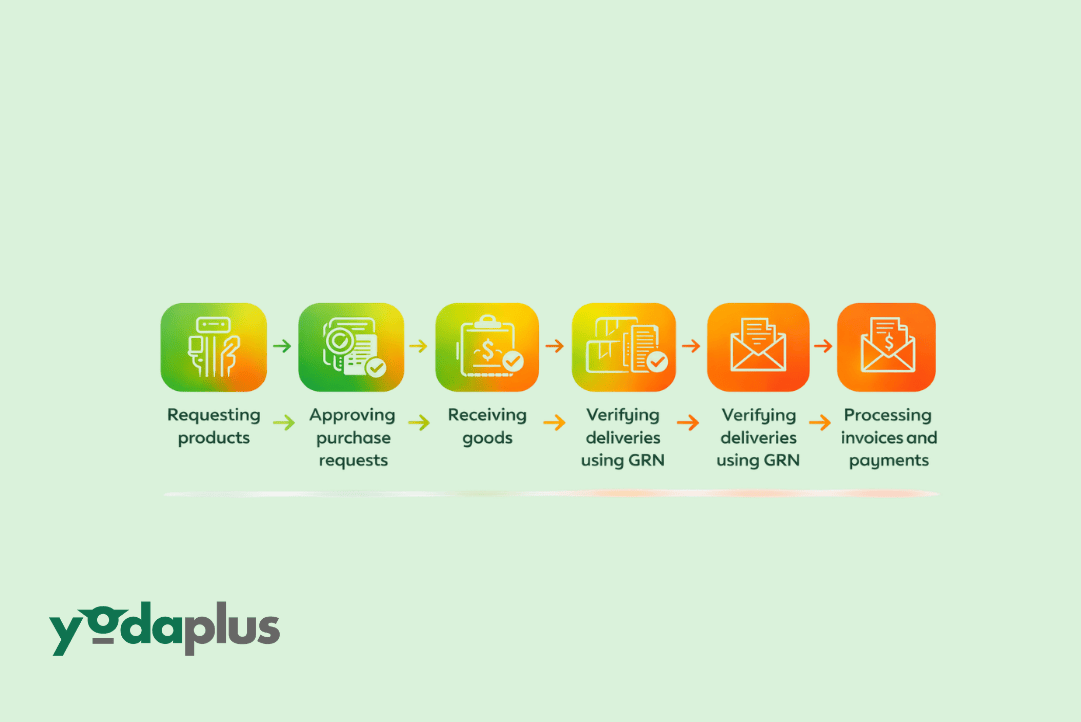
Modern procure to pay automation systems rely on digital workflows that connect procurement and finance systems.
When a department requests items, the system automatically routes the request for approval. Once approved, the platform generates a purchase order and sends it to the supplier.
As goods arrive, warehouse teams confirm receipt through inventory systems. The system then verifies supplier invoices against the purchase order and delivery records.
This approach allows companies to automate procure to pay process activities across departments.
A typical procurement process automation platform includes the following capabilities:
Purchase Request Automation
Employees submit requests through digital forms. The system routes approvals automatically based on predefined rules.
Purchase Order Management
Once approved, purchase orders are generated and shared with suppliers through integrated platforms.
Invoice Matching
The system compares invoices with purchase orders and delivery records to detect discrepancies.
Payment Processing
Approved invoices move directly to finance systems for payment scheduling.
These steps create a smooth procure to pay workflow that reduces delays and improves transparency.
Benefits of Procure to Pay Automation for Retail
Retail companies gain several operational advantages when they implement procure to pay automation.
Improved Procurement Efficiency
Automation reduces manual data entry and speeds up purchasing approvals.
Better Financial Visibility
Companies gain real time insights into supplier spending through procurement automation platforms.
Reduced Errors
Automated invoice matching improves accuracy in procure to pay process automation systems.
Stronger Supplier Relationships
Suppliers receive faster order confirmations and quicker payments when companies automate procure to pay process workflows.
Scalable Procurement Operations
Retailers can manage larger supplier networks through integrated procurement process automation systems.
These improvements allow procurement teams to focus on strategic sourcing instead of manual administrative work.
Challenges in Implementing Procure to Pay Automation
Although procure to pay automation provides many benefits, organizations must plan implementation carefully.
Retail companies often operate multiple systems for procurement, inventory management, and finance. Integrating these systems can require technical expertise.
Data accuracy also plays an important role. If purchase order or supplier data contains errors, automated workflows may fail.
Another challenge involves process alignment. Teams must standardize procurement workflows before applying procure to pay process automation.
When companies address these challenges early, they can build reliable procurement automation systems that support long term operational growth.
The Future of Retail Procurement Automation
Retail procurement is evolving rapidly as companies adopt digital supply chain technologies. Future procure to pay automation platforms will integrate advanced analytics and AI based insights.
These systems will analyze procurement patterns and recommend optimal purchasing strategies. AI tools may also identify supplier risks and predict inventory shortages.
As digital commerce continues to expand, procurement process automation will play a central role in maintaining reliable supply chains.
Retail Operations that have in intelligent procurement workflows will gain better control over purchasing operations and supplier collaboration.
Conclusion
Efficient procurement operations are essential for modern retail businesses. Manual purchasing processes often slow operations and create financial inaccuracies.
By adopting procure to pay automation, companies can streamline procurement activities, reduce errors, and improve supplier coordination. Systems that support procure to pay process automation allow organizations to manage purchasing workflows efficiently while maintaining full visibility into supplier transactions.
When retailers automate procure to pay process workflows, they create scalable procurement systems that support growing operations.
Solutions by Yodaplus Supply Chain & Retail Workflow Automation help retailers implement advanced procurement automation platforms that connect procurement, inventory, and finance systems into a unified digital workflow.
Search
Recent Posts
- When Will the Readiness Gap in Capital Markets Start Closing?
- Why Do Most Capital Market Firms Stall Between Pilot and Production?
- Revenue Growth vs Profit Growth: What Should Analysts Prioritise?
- When Will the AI Readiness Gap in Capital Markets Close?
- Why Is the Forward Deployed Engineer Role Popular at AI Companies?